Peptide Design, Assembly & Delivery Carriers
We design peptide and lipopeptide building blocks, control their programmed assembly, and develop the resulting structures as delivery carriers for drugs, nucleic acids and bioactive molecules.
Peptide Design & Assembly Delivery Carriers Microfluidic Structural Reprogramming Microfluidic Engineering
DRUG DELIVERY ENGINEERING LABORATORY
Our two core directions connect molecular-level peptide design and assembly with microfluidic reprogramming of carrier structure for precise, reproducible delivery.
01 / RESEARCH
We build delivery carriers through peptide design and assembly, then reprogram their structure through microfluidic engineering.
We design peptide and lipopeptide building blocks, control their programmed assembly, and develop the resulting structures as delivery carriers for drugs, nucleic acids and bioactive molecules.
We use microfluidic flow, interfacial effects and oscillatory shear to reprogram delivery-carrier architecture, control spatial organization and hierarchical loading, and enable reproducible, scalable manufacturing.
02 / PEOPLE

PRINCIPAL INVESTIGATOR
Professor
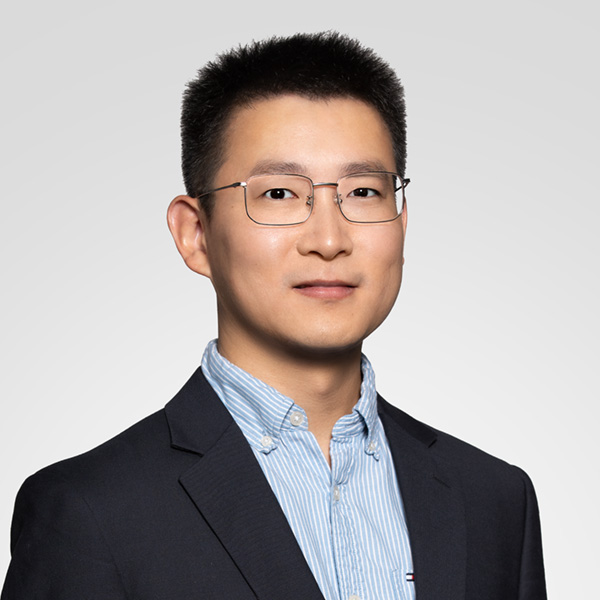
Drug delivery engineer focusing on peptide design and assembly, delivery carriers, and microfluidic structural reprogramming.
Lei Zhang received his bachelor's and PhD degrees from Nanjing Tech University. During his doctoral studies, he spent four years as a jointly trained doctoral researcher at the University of Waterloo, and subsequently conducted postdoctoral research at the University of Waterloo and McMaster University. He has more than ten years of study and professional experience in Canada.
The group pursues interdisciplinary research across bioengineering, pharmaceutics and food science under the theme of “Peptide+”. Research spans peptide and lipopeptide design and assembly, microfluidic delivery systems, mRNA/siRNA and drug delivery, and the delivery of functional-food and bioactive components.
He has published more than 60 SCI-indexed papers, including 38 as corresponding author; a representative study has been accepted by Nature Biomedical Engineering. He has filed 19 international and Chinese invention patents. He serves as an Academic Editor for PLOS ONE, an Associate Editor for Frontiers in Nutrition, and an Editorial Board Member for the Journal of Food Biochemistry and Current Proteomics.
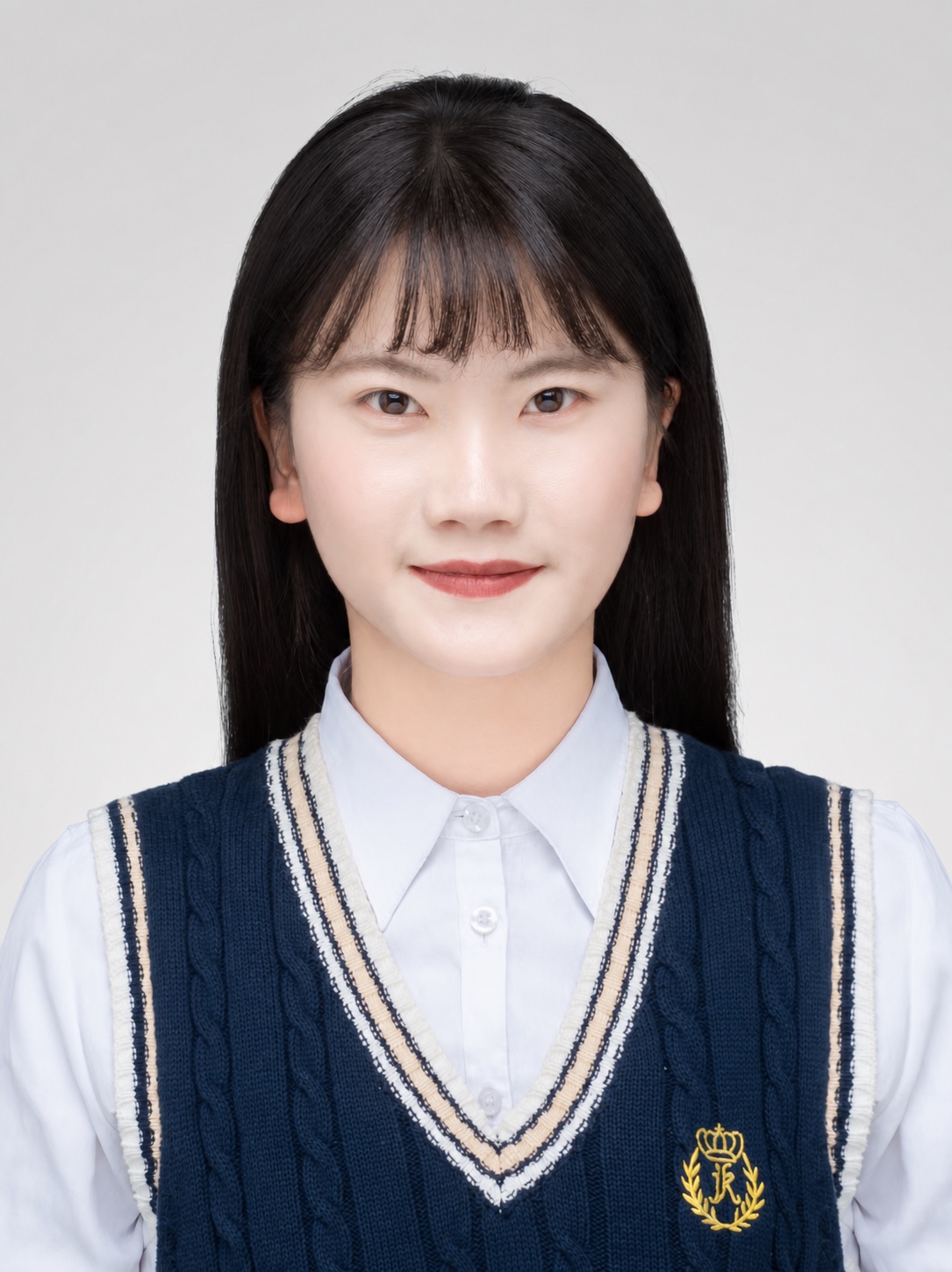
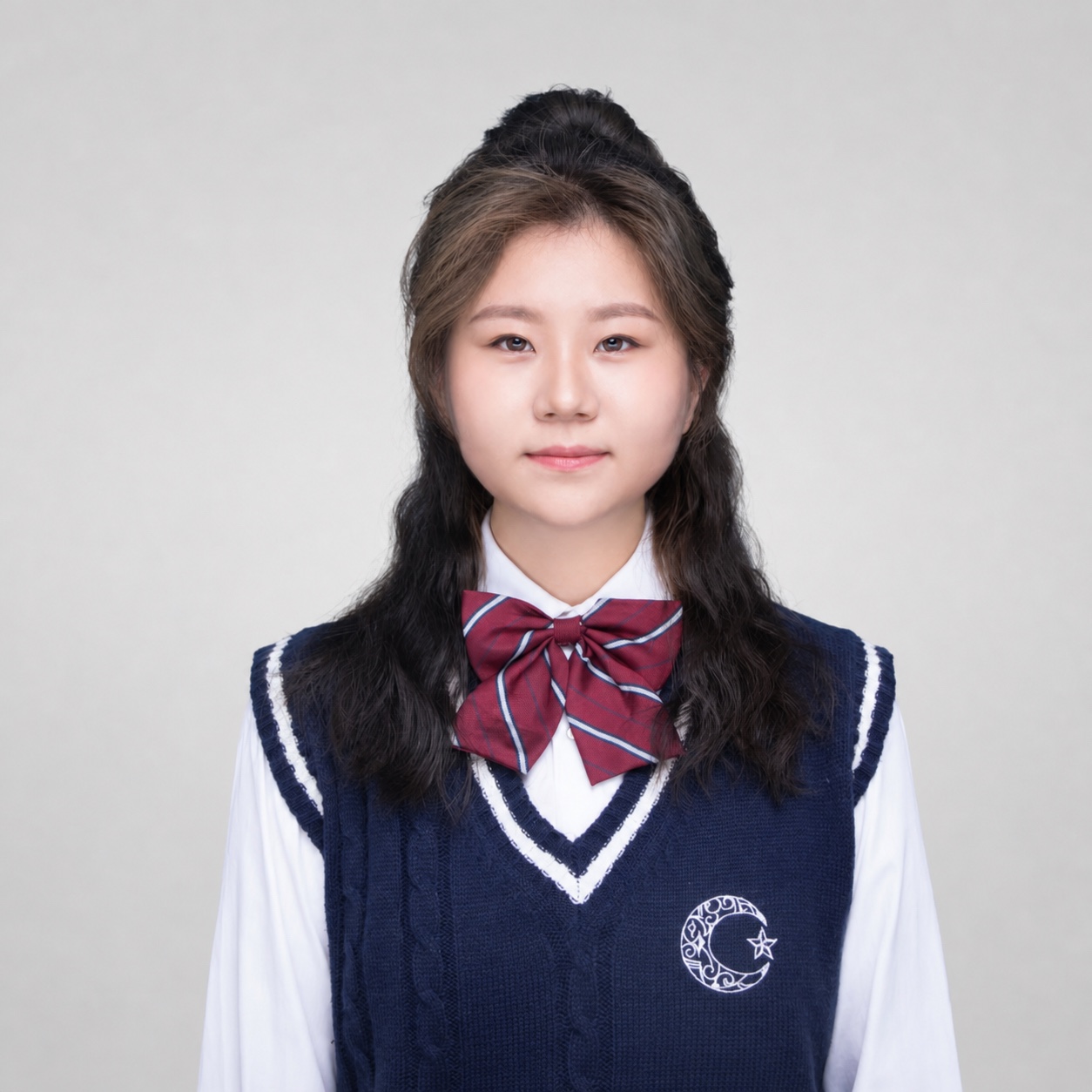
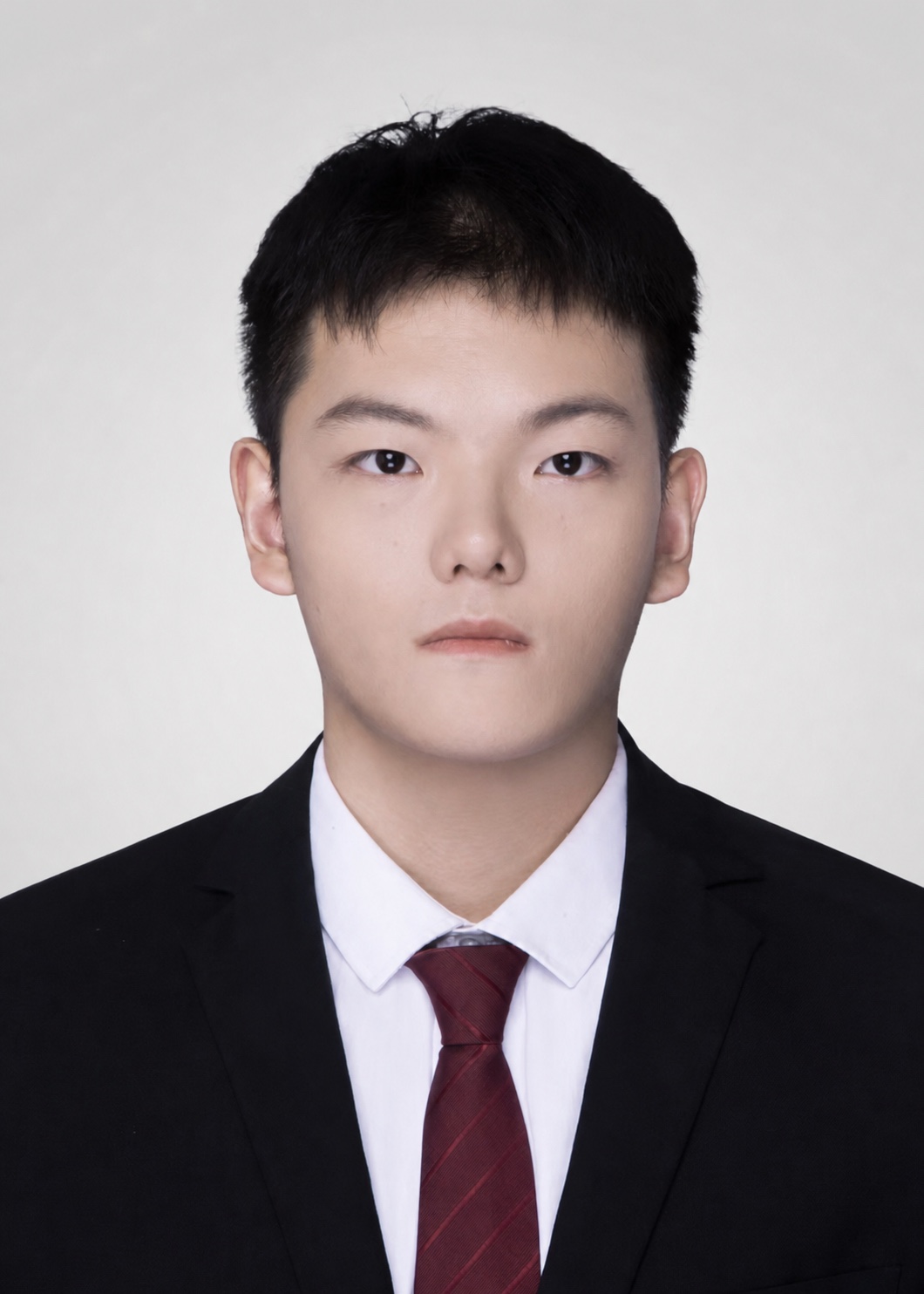
Our current master's students bring together backgrounds in pharmacy, food science and engineering, and biology and medicine.

Pharmacy

Food Science and Engineering

Biology and Medicine
03 / PUBLICATIONS
Recent work from Lei Zhang’s public academic profile, spanning peptide assembly, nanocarriers, drug delivery and scholarly books. The latest three publications are shown; expand the list to browse earlier work.
Sole author · Book chapterPeptide delivery
Sole author · Book chapterSericin nanoformulations
First & corresponding authorPeptide assembly
Corresponding authorChemo-photodynamic delivery
Corresponding authorResponsive nanocarriers
First & corresponding authorMultifunctional nanoencapsulation
First & corresponding authorBioactive delivery
First & corresponding authorPeptide–anthocyanin interactions
Corresponding authorTargeted drug delivery
Corresponding authorFunctional nanocoatings
Corresponding authorRNA nanoparticle delivery
Corresponding authorPeptide co-assembly
Corresponding authorAnthocyanin stabilization
Corresponding authorPeptide nanoencapsulation
First & corresponding authorInterfacial peptide assembly
First & corresponding authorCancer drug delivery
First authorCellular drug uptake
04 / LAB NEWS
Our bilingual lab website is taking shape as a home for research, people, publications and opportunities.
Students and collaborators from diverse scientific backgrounds are welcome.
View opportunities →We value curiosity, careful experimentation and the courage to cross disciplinary boundaries.
Peptide design and assembly, delivery-carrier engineering, microfluidic structural reprogramming, RNA delivery and translational formulation challenges.
Project design, formulation engineering, quantitative characterization, scientific writing and interdisciplinary collaboration.
Bioengineering, pharmaceutics, food science, chemistry, materials science and related fields.
How to apply Send a concise CV and a short statement of research interests to L78zhang@uwaterloo.ca
05 / LOCATION
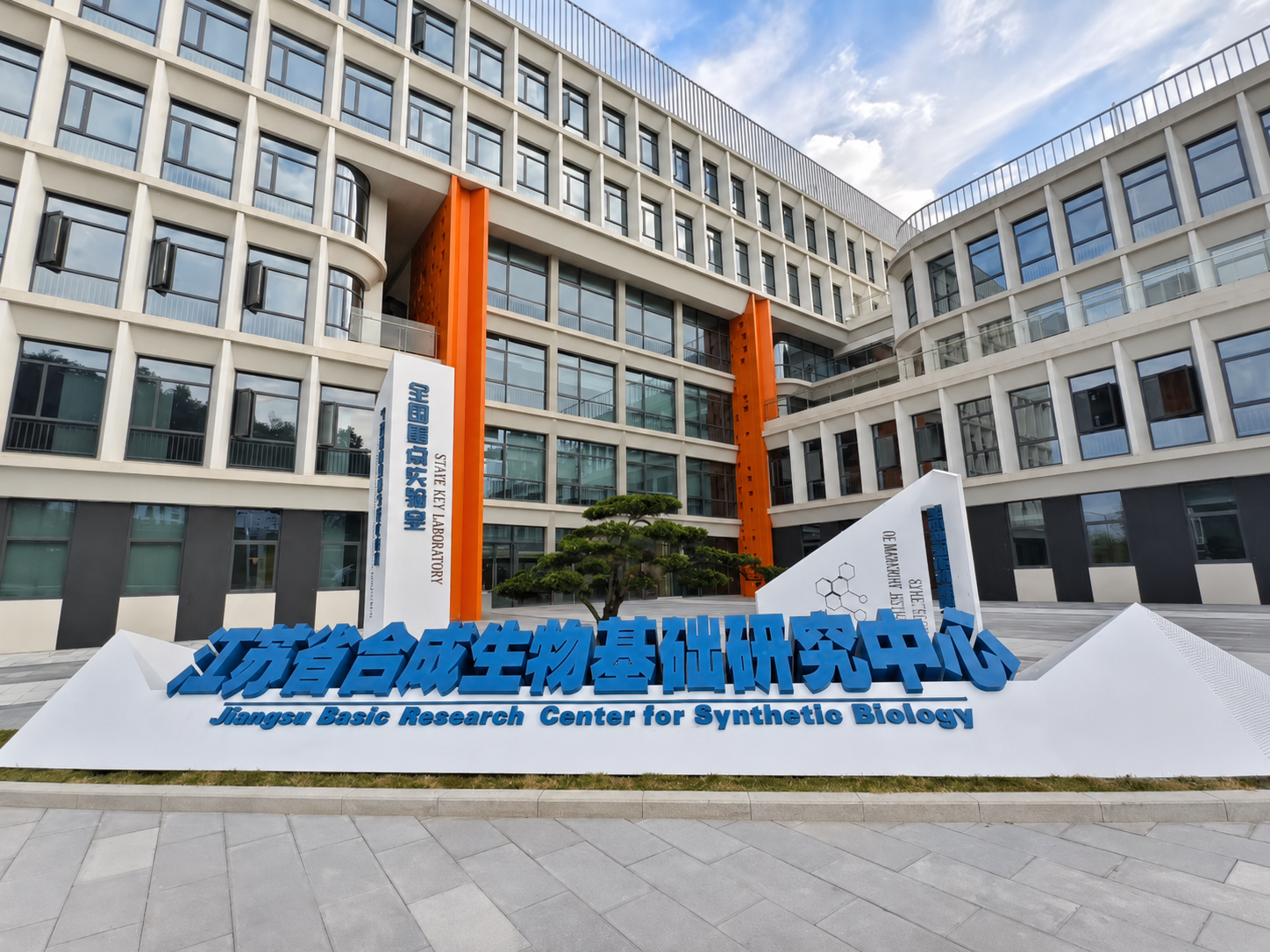
Zhang Lab is based at Innovation Valley, Nanjing Normal University, within the research environment of the Jiangsu Basic Research Center for Synthetic Biology, the State Key Laboratory of Microbial Technology, and the School of Food Science and Pharmaceutical Engineering.